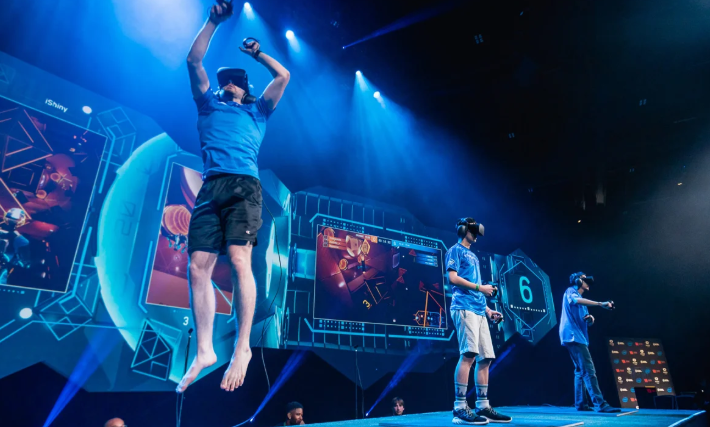
The future of esports and competitive gaming is shaped by rapid technological advancements. Innovations like virtual reality and blockchain are poised to transform player experiences and community interactions. As mobile gaming rises, it broadens access and attracts a diverse audience. Additionally, the synergy between traditional sports and esports promises enhanced fan engagement. However, questions remain about the sustainability of these trends and their long-term impact on the industry.
The Impact of Technology on Esports
As technology continues to evolve, its transformative influence on esports becomes increasingly evident.
Virtual reality technologies enhance immersive gameplay experiences, allowing players and spectators to engage more deeply.
Concurrently, streaming platforms have democratized access to competition, enabling millions to watch live events globally.
This synergy not only expands the audience but also fosters community, empowering individuals to connect freely through shared interests in competitive gaming.
See also: morningtimenews
The Growth of Mobile Gaming
While traditional gaming platforms have long dominated the competitive landscape, the rapid growth of mobile gaming has significantly reshaped the esports ecosystem.
Emerging mobile gaming trends indicate a surge in competitive mobile tournaments, drawing millions of players and viewers.
This democratization of esports offers unprecedented accessibility, allowing diverse participants to engage in competitive play, ultimately expanding the industry’s reach and influence.
Traditional Sports and Esports Integration
How are traditional sports adapting to the rise of esports?
Increasingly, they are exploring collaboration opportunities, recognizing the potential for enhanced fan engagement.
Partnerships between sports leagues and esports organizations have emerged, leveraging shared audiences and digital platforms.
This integration not only promotes inclusivity but also broadens the reach of both domains, paving the way for a more interconnected entertainment landscape.
Emerging Trends and Future Innovations
Innovations in esports are rapidly redefining the landscape of competitive gaming, driven by advancements in technology and changing consumer preferences.
Virtual reality is enhancing immersive experiences, allowing players to engage in unprecedented ways.
Meanwhile, blockchain gaming introduces decentralized ownership, empowering players through asset security and trade.
These trends signal a transformative future, where freedom and innovation converge to shape the next generation of esports.
Conclusion
As the esports landscape evolves, driven by technological advancements and a surge in mobile gaming, the integration of traditional sports will redefine fan engagement. The future promises an intricate tapestry of immersive experiences, where innovations like virtual reality and blockchain will enhance community interactions. Like the introduction of color television transformed entertainment, these developments will broaden accessibility and participation, ensuring esports remains a vibrant and dynamic force in global culture, continually adapting to meet the demands of its diverse audience.