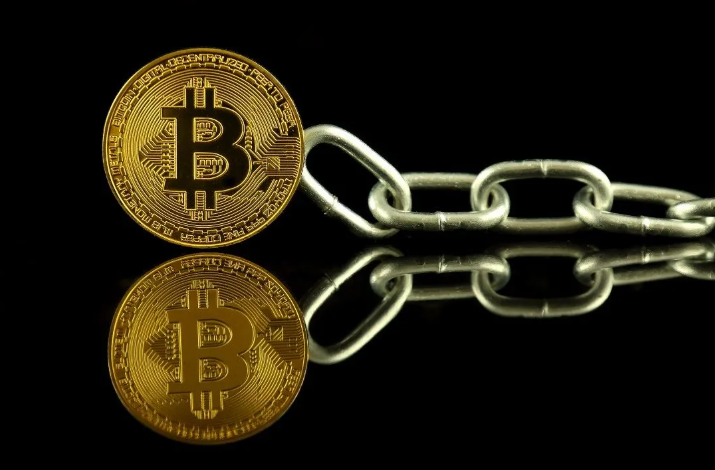
Exchanges employ a variety of sophisticated security measures to protect user funds. Encryption protocols serve to shield sensitive information, while two-factor authentication adds an extra layer of security. Furthermore, the use of hardware wallets and regular software updates reduce the risk of unauthorized access. However, the effectiveness of these strategies may vary, and understanding the nuances of crypto insurance could play a critical role in safeguarding assets. What implications do these factors have for users?
The Role of Encryption in Securing User Funds
Although encryption is often viewed as a technical necessity, its critical role in safeguarding user funds in exchanges cannot be overstated.
Utilization of robust encryption algorithms ensures that sensitive data remains confidential and tamper-proof, thereby maintaining data integrity. This protection mitigates the risks of theft and unauthorized access, ultimately fostering a secure environment that aligns with users’ desires for financial freedom and autonomy.
See also: morningtimenews
How Cryptocurrency Security Is Enhanced by Two-Factor Authentication
Encryption serves as a foundational layer in the security framework of cryptocurrency exchanges, but it is not the sole method of protection.
Two-factor authentication (2FA) adds essential security layers by requiring user verification through a secondary device or application. This process significantly reduces the risk of unauthorized access, enhancing overall security and ensuring that funds remain safeguarded against potential breaches and fraud attempts.
What You Need to Know About Insurance for Your Crypto?
What factors should users consider when evaluating insurance options for their cryptocurrency holdings?
Key aspects include the nature of available crypto insurance policies and their respective coverage limits.
Users must assess the comprehensiveness of the policies, the credibility of the insurer, and exclusions that may apply.
Understanding these elements is crucial for safeguarding assets in an increasingly volatile digital landscape, ensuring informed decision-making.
Top Tips for Keeping Your Crypto Safe
Insurance options provide a layer of security for cryptocurrency holdings, but users must also adopt proactive measures to safeguard their assets.
Ensuring wallet safety by utilizing hardware wallets, enabling two-factor authentication, and regularly updating software is crucial.
Additionally, transaction monitoring allows users to track unusual activities, enhancing security protocols.
Conclusion
In conclusion, the multifaceted approach to securing user funds in cryptocurrency exchanges underscores the importance of encryption, the necessity of two-factor authentication, and the prudent consideration of insurance options. By integrating advanced security protocols, maintaining vigilant monitoring practices, and fostering user education, exchanges not only protect assets but also cultivate user confidence. As the digital landscape evolves, the commitment to safeguarding user funds through these comprehensive measures becomes not just beneficial, but essential for sustainable growth in the crypto ecosystem.